
Family life has its own rhythm, and occasionally shared hobbies including online gaming can upset the routine. A game like Extra Chilli Slot might be a source of fun at home, however it can also cause misunderstandings or arguments. Think of this article as a guide for one of those moments. It’s about keeping the peace when a well-known slot game becomes integrated into your family’s daily life. We’ll look at how to talk about it, create some guidelines, and guarantee that amusement doesn’t hinder your family’s connection. This is pragmatic relationship guidance, viewed from the perspective of a slot with a hot theme.
Starting the “Family Counseling Session” Discussion
Initiating this talk is often the hardest part. Avoid making it an ambush. Frame it like you’re both on the identical team, having a small “counseling session” to make things improved at home. Choose words that focus on your sentiments. Try “I feel a bit left out when you game in the evenings,” rather than “You’re forever on that game.” Choose a period to discuss when you’re both calm, not immediately after a poor run of rounds or in the midst of a fight. Establish the aim evident: you desire to comprehend each other more fully and create your home life more joyful. The game is merely one part of that broader picture.
Creating Healthy Boundaries and Time Agreements
Clear rules that everyone accepts are the finest way to prevent arguments before they begin. This requires being practical about time and money. Sit down and create a plan, similar to a budget for fun. All should get a voice. The objective is to keep gaming as a limited part of life, so it doesn’t eat into family time, chores, or your savings. A simple agreement, even verbal, can keep you from experiencing the same fight every single day.
Formulating a Time Management Plan
A good plan considers the gamer’s interest and the family’s time. You might use a kitchen timer, agree on specific hours for play that don’t conflict with dinner, or designate certain nights as game-free. The rules need to feel fair. The person who isn’t playing can utilize this scheduled time for their own hobby, which helps in steering clear of building up resentment.
Setting Financial Guardrails
Having transparency about money is crucial. Here are a few ways to do it:
- Establish a Strict Entertainment Budget: Agree on a monthly amount for fun stuff, including gaming. This money shouldn’t touch the bills or your savings.
- Employ Deposit Limits: Nearly all gaming sites have tools that enable you to set your spending. Use them.
- Consider Separate Accounts: Some couples discover it easier to have a small personal account for fun money. It allows independence without secrets.
- Arrange Regular Check-ins: Conduct a quick, calm chat once a month to review spending. Verify it still lines up with what you both want.
The Significance of Truthfulness along with Financial Transparency
Hidden truths inflict more damage than any form of gambling. Concealing how long you’ve played or more damaging, concealing your losses, undermines trust. Maintaining monetary honesty involves openly sharing outlays, gains, and deficits free from the risk of an outburst. This means the other person must avoid immediate anger, and the gamer needs to pledge truthfulness. When that clarity exists, playing becomes less of a clandestine activity and becomes a monitored one. It additionally implies you can spot early if things are starting to slip so you can help instead of punish.
Spotting Signs of Problematic Behavior
The majority of people engage in gaming for enjoyment and quit when they ought to. But it’s smart to recognize the red flags when a pastime turns into something greater. These signs extend past just playing Extra Chilli Slot. Watch for someone repeatedly choosing the game over career or family duties. Notice if they begin being dishonest about how often they engage or use. Be concerned if gambling becomes their only way to handle with pressure or an conflict. Becoming noticeably frustrated when they cannot game is yet another indicator. With finances, warning signs involve recovering losses, borrowing cash to wager, or neglecting bills. Catching these signs early enables you to shift gears. It ceases to be a mere dispute and starts being about offering help and locating more aid if it’s required.
Striking a Balance: Integrating Gaming with Family Life
You know you’ve found balance when gaming fits neatly alongside everything else in your family life. Sometimes that involves making it a group activity. Others can watch and cheer, turning a solo session into a shared moment. Other times, it involves deliberately planning different things to do, like a walk, a film night, or a board game. The idea is simple: Extra Chilli Slot should be one ingredient in your family’s recipe, not the whole meal. When you have other shared interests, your relationship has more stability. It’s less prone to instability if you have a disagreement about screen time.
Spotting Common Household Tensions Around Gaming
When a activity like Extra Chilli Slot is woven into family life, it can highlight problems that were existing. Time is a major factor. One person might feel neglected because the other is staring at a screen. Money is another. If you share your finances, what looks like harmless fun to one person might look like a waste of cash to the other, particularly if you’re putting money aside for something. Values enter the picture, too, if kids are around and parents clash on what lesson these games communicate. Spotting these friction points is akin to a diagnosis. It lets you tackle the real problem—maybe a desire for attention, or a worry about security—instead of just arguing about the game.
Tools and What to Do Next for Expert Support
If your home talks fail to make things easier, or if you notice those danger signs clearly, seeking outside help is a smart move. You hold options. A marriage or home counsellor can provide you a neutral space and superior tools for communication. If the concerns are particularly about gambling patterns, organisations like GamCare, Gambling Therapy, and the National Gambling Helpline are present. They deliver free, discreet advice and support. Using these resources doesn’t mean you’ve fallen short. It shows you’re serious about your home’s health. It proves you’re a group resilient enough to request for a help when you want it.
Grasping the Appeal of Extra Chilli Slot
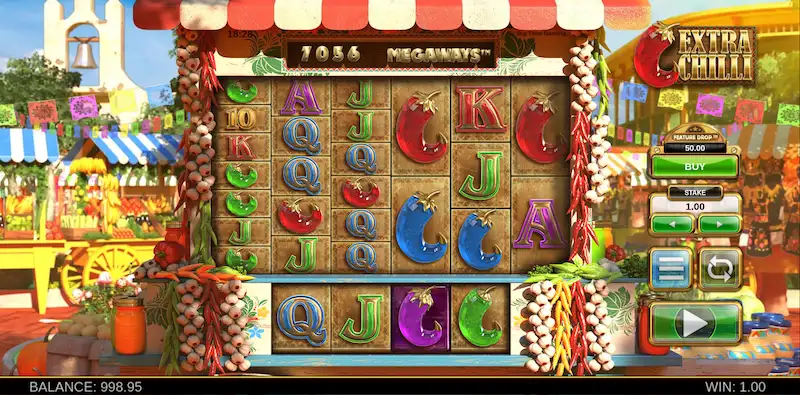
Ahead of you discuss something, you must understand why it matters to someone https://extrachilli.eu.com. Extra Chilli Slot, created by Big Time Gaming, is a popular online slot. It boasts a bright Mexican theme and uses a method called Megaways, where the amount of ways to win shifts every spin. Its “Infinite Multiplier” feature can cause wins grow. People play it for the thrill of those cascading reels and the possibility of a huge multiplier. For the player playing it, it’s not just possible money. It’s the lights, the sounds, the suspense. Realizing that is the starting point for a family member who doesn’t gamble. It turns a argument about “that silly game” into a genuine conversation about what someone deems enjoyable.
The Psychology of Engagement
Games like this are not arbitrary. They’re founded on ideas from behavioral psychology. The random rewards, the near misses, the flashy celebrations—they’re all meant to keep you playing. Knowing this helps families address gaming habits without blaming. It’s not about a lack of willpower; it’s about a intelligently designed experience. That alters the discussion. You cease blaming the person and start managing the activity together.
Common Moments and Social Play
You might think playing slots is a solitary activity, but it usually isn’t. Couples sometimes play together, switching or chatting about what may transpire next. It becomes a mutual thing to do, a way to unwind side-by-side. That’s a good thing, and it merits credit in any family talk. Cheering for a win together or just experiencing the colorful adventure can be a real point of connection, as long as it never becomes the exclusive way you connect.
Strengthening Good Results and Common Objectives
This last part is about ensuring the good shifts stick. When an individual sticks to the time arrangement, say thanks. When the budget functions, recognize it. Positive feedback makes the new routines stronger. Periodically, talk about your family goals again. Maybe you’re saving for a holiday or just want more calm weekends with each other. Point out how keeping gaming in limits helps you achieve it. This builds a good cycle. Responsible gaming results in less tension at family life, and that harmony makes it simpler to keep those healthy habits thriving. The narrative transforms from “I’m not allowed to play” to “We’re doing better because we figured out this jointly.”
Determining how a game like Extra Chilli Slot fits into your family life requires patience, candid talk, and clear rules. By treating a disagreement as a occasion for a “family counseling session,” you can get to the core of what people really want—more focus, financial peace of finances, or common time. Defining restrictions on time and money, being totally honest about the two, and incorporating gaming into a balanced life are the practical actions. The objective is to let the spice of entertainment add zest without ruining the whole dish, so both personal hobbies and family ties can thrive in a caring household.